

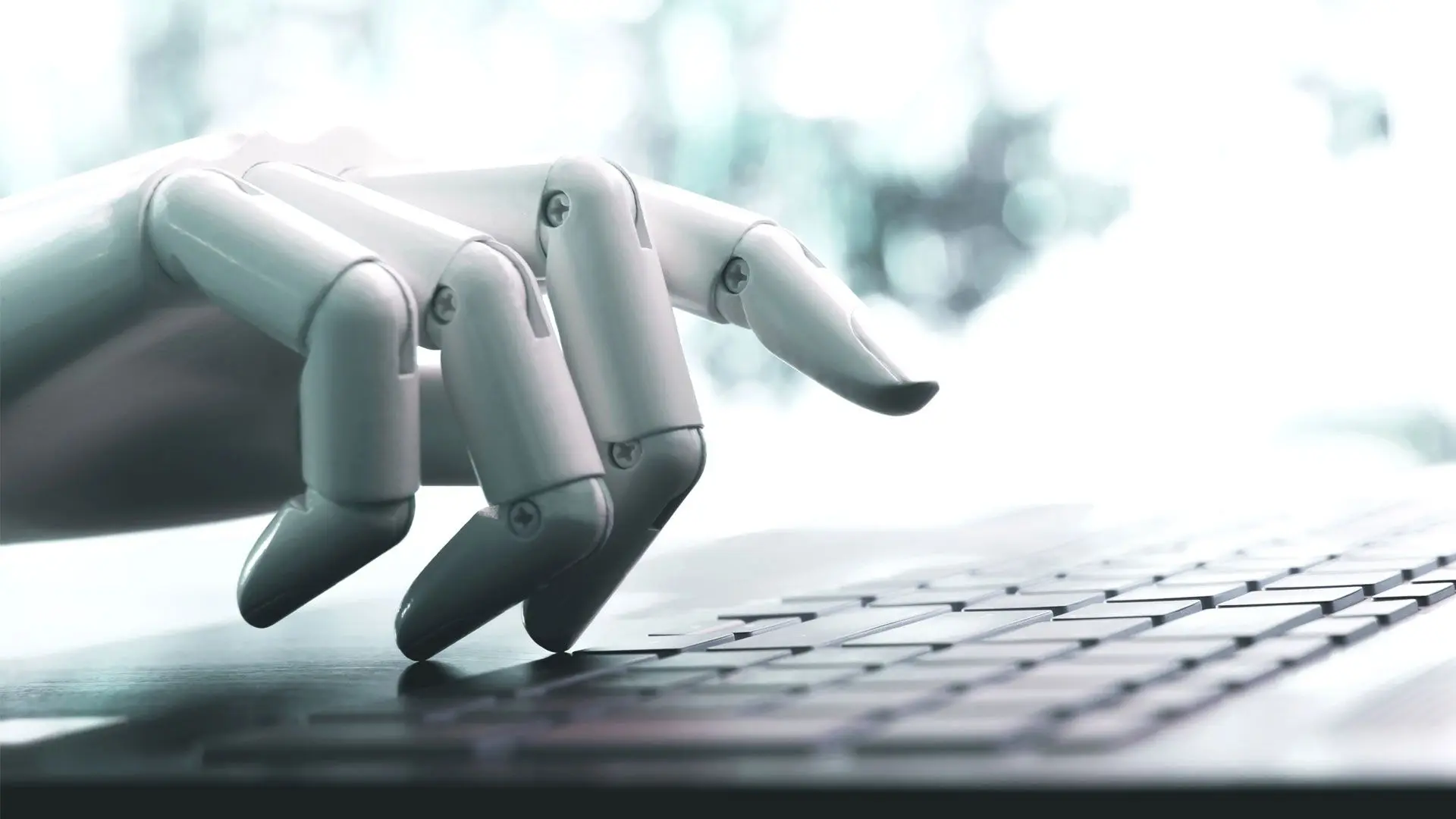
In an era where artificial intelligence is transforming countless industries, job seekers are increasingly turning to AI tools to craft their resumes. However, a chorus of professional CV writers is now warning against this practice. They argue that while AI can help with formatting and grammar, it cannot replicate the nuance, storytelling, and authenticity that make a CV truly remarkable.
The Rise of AI in Resume Writing
AI-powered resume builders and language models have become popular because they offer a quick and seemingly easy solution to a daunting task. Many job candidates, especially those entering the workforce for the first time, may feel pressured to produce a professional document that highlights their skills and achievements. AI can generate bullet points, suggest action verbs, and even tailor content to specific job descriptions. However, according to career experts, these tools often produce phrases that are overly generic or lack the depth that hiring managers seek.
For example, an AI-written resume might state, "Managed a team of five people," without providing any context about the challenges faced, the strategies implemented, or the tangible results achieved. A human writer, on the other hand, can draw out a compelling story that demonstrates leadership, problem-solving, and impact.
Why Personal Touch Matters
The job market is highly competitive, and recruiters often spend only a few seconds scanning each resume. In that brief window, they are looking for signs of authenticity and a genuine fit for the company culture. A resume that feels like it was written by a template—or a machine—can quickly end up in the rejection pile. Professional CV writers emphasize that the most effective resumes are those that reflect the candidate's personality, passions, and unique journey.
"What makes a CV stand out is the personal touch you add to it," says one veteran career coach. "AI can give you a structure, but it can't tell your story. It can't capture the pride you feel in a project you led from scratch or the lessons you learned from a failure."
Red Flags for Recruiters
Recruiters are becoming increasingly adept at detecting AI-generated content. Common red flags include overly polished language that lacks natural flow, repetitive sentence structures, and an absence of specific details that only a real person would know. Additionally, AI sometimes fabricates or exaggerates achievements—a risk that could damage a candidate's credibility if discovered during the interview process.
Studies have shown that resumes written by humans are more likely to include nuanced language and context that machine learning models struggle to replicate. For instance, a human might write, "Proposed and implemented a new inventory system that reduced waste by 20% within six months, saving the company $50,000 annually." An AI might simply say, "Improved inventory management." The former tells a story; the latter is forgettable.
The Importance of Tailoring
Another limitation of AI is its inability to tailor a resume effectively for each job application without extensive human input. While some AI tools can analyze a job description and suggest keyword insertions, they often miss the subtleties of company culture and the specific language used in the industry. A tailored resume that speaks directly to a hiring manager's needs can dramatically increase the chances of being called for an interview.
"I've seen resumes that use the same phrases over and over because the AI pulled them from a database," notes a recruitment specialist. "It's obvious when a candidate hasn't put in the effort to customize their application."
Background on AI in Employment
The use of AI in recruitment is not new. Many companies use applicant tracking systems (ATS) to filter resumes before they even reach a human recruiter. These systems scan for keywords and phrases that match the job description. Ironically, while AI helps companies manage large volumes of applications, it also encourages candidates to stuff their resumes with keywords—a practice that can backfire if the content is not authentic. Professional CV writers advise against writing solely for the ATS. Instead, they recommend using keywords naturally within a well-structured narrative.
Moreover, ethical concerns have been raised about AI bias in hiring. If a resume is generated by an AI that has been trained on biased data, it may inadvertently perpetuate stereotypes or exclude qualified candidates. A human touch can ensure that the resume reflects the candidate's true potential without unintended biases.
Practical Advice from Experts
So what should job seekers do if they want to leverage technology without sacrificing authenticity? Experts suggest using AI as a tool, not a crutch. For example, you can use AI to brainstorm bullet points or to check for grammatical errors, but the final content should always be refined by a human. Additionally, consider seeking feedback from a professional CV writer or a trusted mentor who can provide honest insights about how your resume presents you.
When writing your CV, focus on achievements rather than duties. Use numbers and specific examples to quantify your impact. Show your career progression and how you've grown over time. And don't be afraid to let your personality shine through—an appropriate touch of humor or a passionate phrase can make you memorable.
Historical Context
The debate over AI and resume writing echoes earlier controversies about resume templates and universal formats. In the past, career experts warned against using cookie-cutter templates from books or websites. Today, the warning extends to generative AI. The core principle remains the same: a resume is a personal marketing document, and it must be uniquely yours.
As AI technology continues to evolve, it is likely that the line between human and machine writing will blur. However, for the foreseeable future, the personal touch remains a critical differentiator in a crowded job market. Professional CV writers are not opposed to technology; they embrace tools that enhance efficiency. But they firmly believe that the art of resume writing requires a human element that cannot be outsourced.
Ultimately, the goal is to create a resume that tells a compelling story about who you are as a professional and what you can offer. Even the most advanced AI cannot replicate the authenticity of a human voice. As you prepare your next job application, remember that the effort you put into crafting your CV is a reflection of your commitment—and that personal touch could be the key that opens the door to your next opportunity.
Source: TechRadar News