

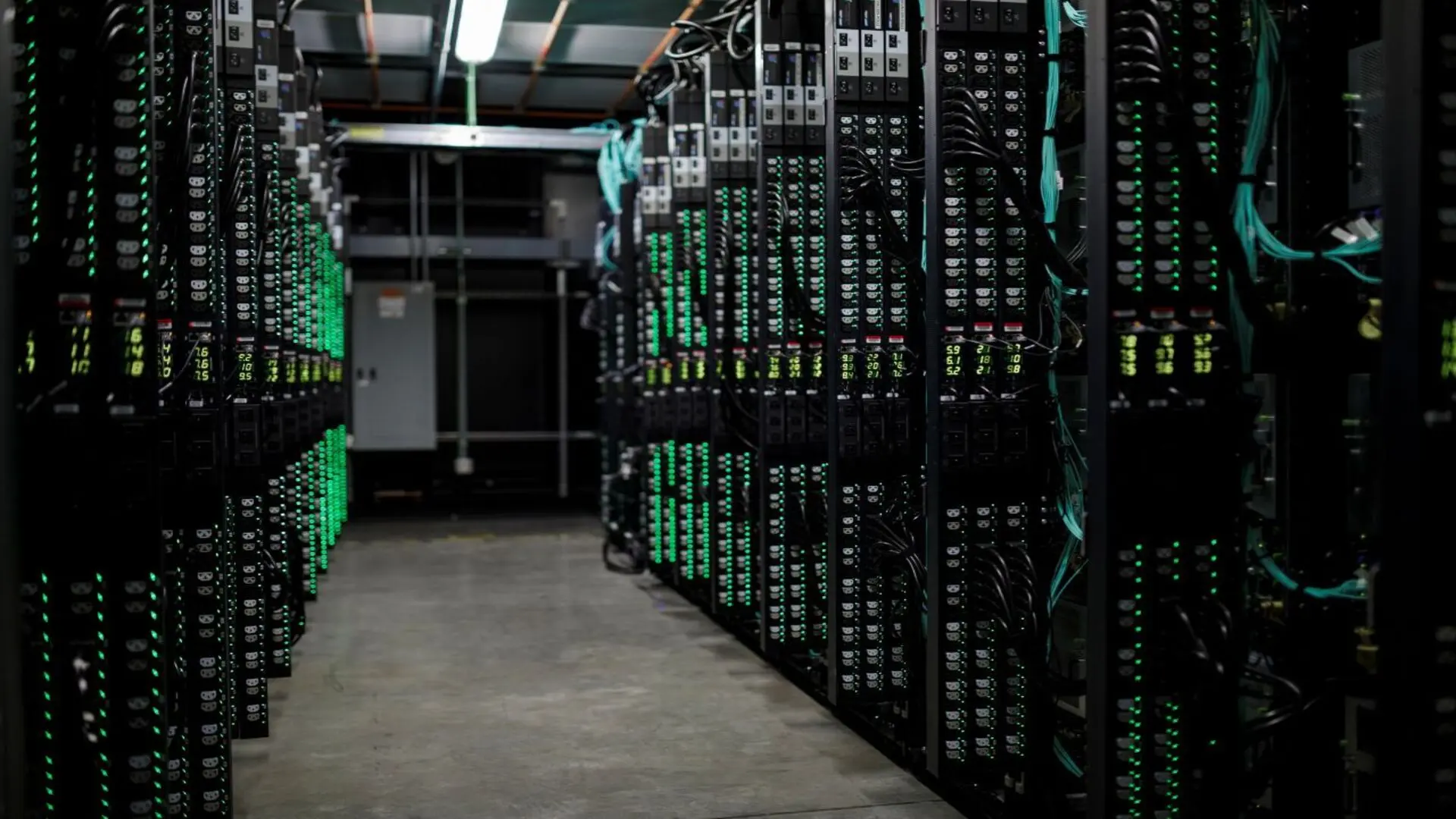
The US Army is charting a new course for its data center infrastructure, one that aims to integrate these massive computing facilities directly into the fabric of local communities. In a shift from the traditional model of remote, heavily fortified buildings, the Army is now emphasizing community engagement, local hiring, and environmental responsibility. The goal is to prevent the kind of backlash that has increasingly met big tech companies' data center projects across the country.
A New Vision for Military Data Centers
Speaking at a recent defense technology conference, an Army official stated, 'Our data centers are not going to be just big buildings that are out in the middle of nowhere that are run by 10 people.' This statement encapsulates a fundamental change in how the military views its digital infrastructure. Instead of hiding data centers in deserts or rural areas, the Army plans to build them in or near communities, making them part of the local economy and landscape.
The official emphasized that these facilities would be 'good neighbors,' offering high-paying jobs, participating in local schools, and maintaining open lines of communication with residents. 'We want people to see these data centers as assets, not eyesores or security risks,' he added.
Learning from Big Tech's Mistakes
The tech industry has faced increasing opposition to data center construction. Residents in places like Northern Virginia, Arizona, and Oregon have protested the water consumption, noise, and aesthetic impact of massive server farms. Some communities have even blocked projects through zoning laws and lawsuits. The Army is taking note.
By proactively addressing these concerns, the military hopes to avoid protracted battles. 'We've seen what happens when companies drop a huge building on a community without any warning or discussion,' said the official. 'We don't want to repeat that mistake.'
Economic and Strategic Benefits
The Army's new approach is not just about public relations. It also offers strategic advantages. Locating data centers closer to population centers reduces latency for critical applications, such as real-time battlefield intelligence and logistics coordination. Additionally, being integrated into communities makes the facilities more resilient. They can draw on local power grids, water supplies, and workforce, rather than relying on a single remote location that might be vulnerable to natural disasters or attacks.
From an economic standpoint, the Army expects these data centers to create hundreds of jobs per facility, ranging from IT specialists to security personnel and maintenance staff. This could be a boon for towns that have lost traditional industries. 'We're bringing not just computers, but careers,' the official said.
Environmental Commitments
Another key aspect is environmental stewardship. Data centers are notorious energy hogs, but the Army is committing to using renewable energy sources and advanced cooling systems that minimize water usage. Some designs even incorporate waste heat recovery to heat nearby buildings or greenhouses. The Army is also exploring modular, scalable designs that can be expanded with minimal disruption.
The military's environmental track record is mixed, but these new data centers could set a standard for sustainable infrastructure. 'We have the resources and the mandate to do it right,' the official noted.
Challenges Ahead
Despite the optimistic vision, hurdles remain. Security concerns are paramount; integrating a military data center into a community requires careful planning to protect classified information. There are also questions about cost and scalability. The Army's budget is finite, and building in more expensive locations could strain resources. Moreover, local communities may still be wary of any military presence, especially in areas with anti-war sentiments.
The Army is piloting the concept with a few small projects, gathering data on community reactions and operational efficiency. Early results are promising, but the full rollout may take years.
Historical Context
The military has long been a pioneer in computing, from ENIAC to the modern battlefield network. However, its data centers have often been opaque, off-limits, and surrounded by secrecy. This new approach represents a cultural shift. It acknowledges that in the Information Age, digital infrastructure is as important as tanks and planes, and that public support is crucial for long-term viability.
Compared to big tech, the Army has some advantages: it can offer security clearances and stable government contracts, which appeal to a certain workforce. But it also faces unique challenges, such as compliance with federal procurement rules and the need to balance openness with operational security.
Community Perspectives
Early feedback from towns that have been approached is mixed. Some see the potential for economic revival; others fear increased traffic, environmental damage, or surveillance. The Army is conducting town hall meetings and environmental impact studies to address concerns. 'We're listening,' the official said. 'We want this to be a partnership, not an imposition.'
One town in the Midwest, initially skeptical, warmed to the idea after the Army promised to fund a new school and community center as part of the deal. But such incentives raise questions about fairness and the long-term relationship between the military and civilian populations.
The Army's experiment is being watched closely by the tech industry and local governments. If successful, it could reshape how data centers are planned across the country, blending the needs of national security with the desires of communities for growth, sustainability, and transparency.
Source: TechRadar News