

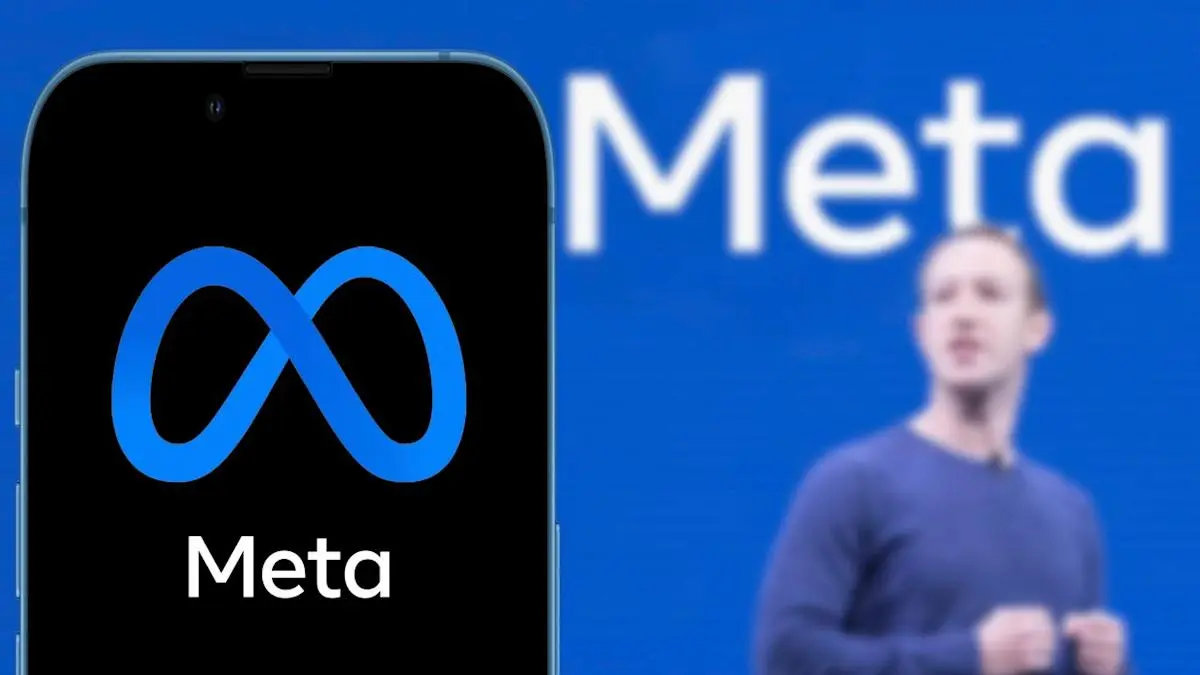
Meta CEO Reassures Staff After Massive Layoffs
In a move that has sent shockwaves through the tech industry, Meta CEO Mark Zuckerberg has issued a statement indicating that the company does not anticipate any more company-wide layoffs for the remainder of 2026. The announcement came on the same day Meta laid off approximately 8,000 employees—about 10% of its workforce—and reassigned another 7,000 workers to newly created departments centered on artificial intelligence.
Zuckerberg's remarks were delivered in an internal memo obtained by Reuters, in which he acknowledged the difficulty of the layoffs but sought to provide clarity on the company's future direction. "I want to be clear that we do not expect other company-wide layoffs this year," Zuckerberg wrote. He also admitted that Meta had failed to communicate effectively about the cuts, a deficiency he pledged to address going forward.
Employee Skepticism Over Zuckerberg's Promise
The memo did not quell unrest among Meta's remaining staff. According to Reuters, some employees responded by quoting specific words from Zuckerberg's statement—"company-wide" and "expect"—highlighting potential loopholes. One employee noted that "things sometimes go unexpectedly," suggesting that the CEO's assurances might leave room for additional cuts at the team or department level. This skepticism reflects a broader anxiety within the company, which has now shed more than 25,000 jobs over the past two years.
The latest layoffs were marked by abruptness. The Financial Times reported that North American staff were instructed to work from home on the day of the announcement, with termination notices delivered via email in the early morning hours. The process left many employees feeling blindsided and uncertain about their futures, even as Zuckerberg emphasized the company's commitment to transparency.
Meta's Strategic Pivot to Artificial Intelligence
While the layoffs dominated headlines, the reassignment of 7,000 employees to AI-focused roles is equally significant. Zuckerberg has long advocated for artificial intelligence as the key to unlocking new levels of productivity and efficiency at Meta. The company has poured billions of dollars into AI research and development, including the creation of a new team dubbed "Applied AI," which aims to optimize Meta's machine learning models. Another team is dedicated to building AI agents that can automate internal workflows, potentially reducing the need for human intervention in repetitive tasks.
These moves align with a broader industry trend. Tech giants such as Google, Microsoft, and Amazon have similarly restructured their workforces around AI capabilities, often at the expense of other departments. For Meta, the shift is particularly pronounced given its reliance on advertising revenue, which has been pressured by changes in Apple's privacy policies and the rise of competitors like TikTok.
Historical Context of Meta's Layoffs
Meta's recent layoffs are not unprecedented. In 2022 and 2023, the company cut approximately 21,000 jobs, marking the first mass layoffs in its history. Those cuts were attributed to over-hiring during the pandemic and a downturn in digital advertising. The 2026 layoffs, however, are more narrowly targeted, with many affected employees working in non-AI divisions such as metaverse development and legacy social media platforms.
Zuckerberg's decision to focus on AI has been met with mixed reactions from investors. While some applaud the cost-cutting and forward-looking strategy, others worry that Meta is over-committing to an unproven technology. The company's stock has seen volatility, though it remains above its 2024 lows. Critics also point out that heavy investment in AI could alienate users who are already concerned about data privacy and misinformation.
Impact on Meta's Corporate Culture
The layoffs have taken a toll on employee morale. Internal polls conducted before the 2026 cuts showed that trust in leadership had fallen to record lows. Many staff members expressed frustration with the way Zuckerberg communicates major decisions, often through memos or all-hands meetings that leave little room for feedback. The reality is that Meta was originally known for its freewheeling culture, where engineers had wide latitude to pursue ambitious projects. Today, that culture has been replaced by a more disciplined, efficiency-driven approach that prioritizes AI over experimentation.
Yet some analysts believe this shift is necessary for Meta's survival. The company faces intense competition in the AI space from startups like OpenAI and Anthropic, as well as established tech players. Without aggressive restructuring, Meta risks falling behind in a race that could define the next decade of computing.
Broader Implications for the Tech Industry
Meta's layoffs are part of a wider wave of corporate restructuring across Silicon Valley. Companies like Spotify, Salesforce, and Dell have also announced significant workforce reductions in 2026, as they seek to streamline operations and invest in AI. This trend has sparked debate about the social impact of automation and the future of white-collar employment. Economists warn that while AI may create new jobs, it will also render many existing roles obsolete, particularly in fields like content moderation, customer service, and data entry.
For Meta specifically, the long-term success of its AI pivot will depend on whether the technology can deliver meaningful improvements in advertising performance and user engagement. The company is already testing AI-powered features across its apps, including Instagram's personalized recommendations and Facebook's automated content creation tools. Early results have been promising, but the full benefits may take years to materialize.
Meanwhile, the employees who have been reassigned to AI teams face a steep learning curve. Many are being asked to retrain in machine learning, natural language processing, and computer vision—fields that require specialized skills. Meta has launched internal training programs to facilitate this transition, but it remains to be seen how many workers will successfully adapt.
Zuckerberg's promise of no further company-wide layoffs this year offers a temporary reprieve, but it does not eliminate the possibility of smaller restructurings. The use of the phrase "company-wide" in his memo leaves open the door for team-level cuts, which could still affect thousands of employees. As Meta continues to reshape its workforce around AI, job security for many workers will remain uncertain.
In the end, the 2026 layoffs represent a watershed moment for Meta, signaling the end of its era as a pure social media company and the beginning of its transformation into an AI-first organization. Whether this transformation will succeed is a question that only time will answer, but one thing is clear: the company will never be the same.
Source: Yahoo Finance News