

The Rise of AI-Powered Digital Twins
The concept of digital twins—virtual replicas of physical assets, processes, or systems—has been around for years, but the integration of artificial intelligence is transforming them into dynamic, predictive tools. Today, cities around the world are beginning to see digital twins as more than just 3D models; they are evolving into an intelligent operating layer that can simulate, optimize, and even automate urban systems. By combining real-time data streams with machine learning, these systems offer an unprecedented ability to monitor everything from traffic patterns to energy consumption, and to respond proactively to changing conditions.
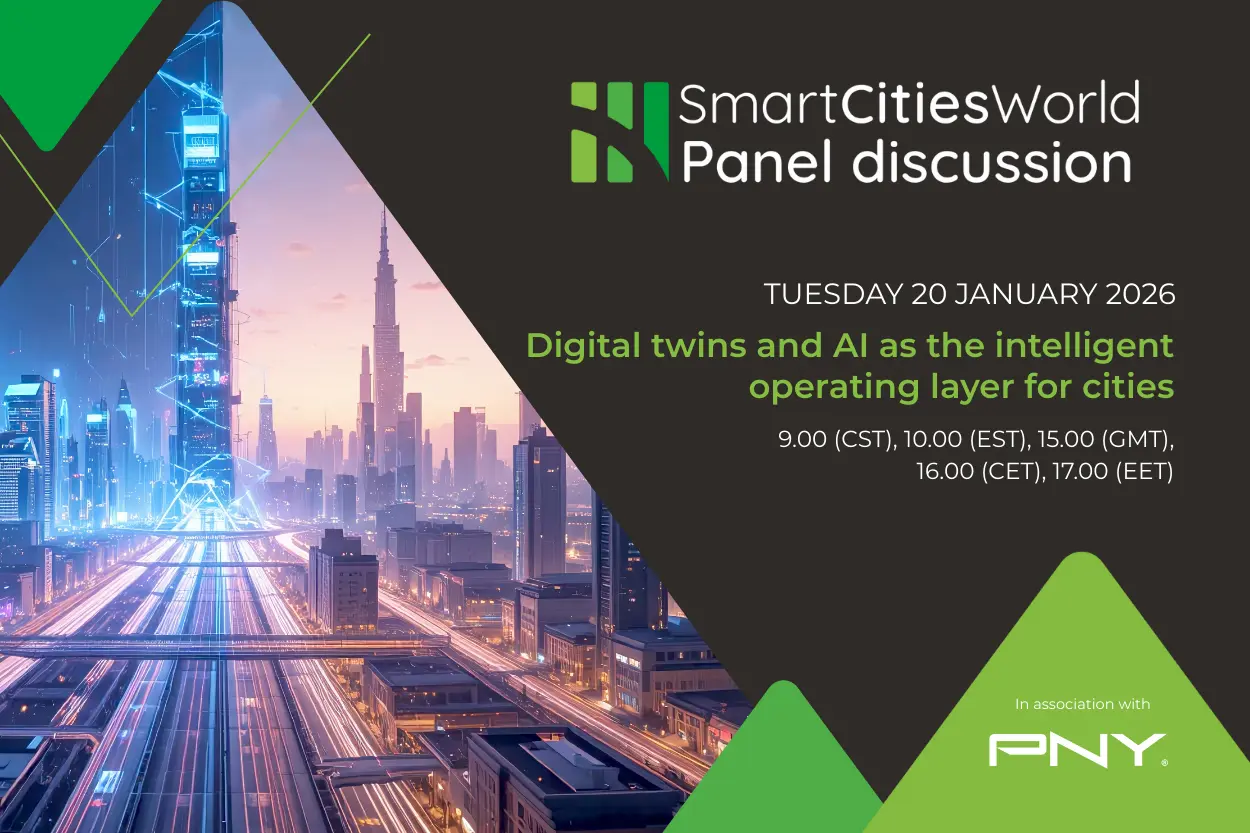
Industry experts have noted that the convergence of AI and digital twins is particularly powerful for urban environments. For instance, a recent panel discussion highlighted how cities can use these technologies to improve planning, day-to-day operations, and overall outcomes for communities and passengers. Rather than reacting to problems after they occur, city managers can anticipate maintenance needs, optimize resource allocation, and design infrastructure that is more resilient to shocks like natural disasters or population surges.
Real-World Applications in Urban Transport
One of the most promising applications of AI-powered digital twins is in urban transport networks. By modeling the complex interdependencies of traffic lights, public transit schedules, pedestrian flows, and road conditions, cities can test different scenarios in a risk-free virtual environment. This allows planners to identify bottlenecks, reduce congestion, and improve safety before implementing changes in the real world.
For example, during the panel, experts described how data and AI are being used to support both long-term planning and daily operations. Transport authorities can analyze historical and real-time data to predict peak demand, adjust signal timing dynamically, and even guide autonomous vehicles. The result is a more efficient network that reduces travel times and emissions while enhancing the user experience for all passengers.
Furthermore, these digital twins can integrate with broader city systems, such as emergency services and event management. By simulating the impact of a major concert or a traffic accident, cities can reroute traffic, deploy resources, and communicate with the public in real time. This holistic approach is key to building truly smart, responsive urban environments.
Designing for Upstream Resilience and Downstream Benefit
A key theme emerging from discussions among architects, urban designers, and technologists is the need to design cities for upstream resilience. Rather than adding technology as an afterthought, the goal is to embed intelligence into the very fabric of urban infrastructure. This means considering how data flows, sensor networks, and AI algorithms can serve multiple purposes—from reducing energy consumption to improving public safety.
For instance, designers are exploring how building facades can incorporate sensors that feed into a digital twin, allowing real-time monitoring of structural health, air quality, and energy use. By catching issues early, cities can prevent small problems from becoming costly emergencies. This philosophy of “upstream resilience” also extends to social and economic systems, ensuring that technology benefits all residents, not just the technologically adept.
On the downstream side, the benefits are tangible: lower operating costs, reduced downtime, improved quality of life, and a smaller environmental footprint. Municipalities that adopt an AI-powered operating layer are better positioned to meet sustainability targets and adapt to climate change.
Case Study: Sunderland's Smart City Journey
The city of Sunderland in the United Kingdom offers a compelling example of how digital infrastructure and low-carbon innovation can reposition a city for the future. By investing in a central digital twin platform that aggregates data from utilities, transport, and public services, Sunderland is building a resilient, future-focused economy. The city has focused on using AI to optimize street lighting, reduce energy waste, and monitor air quality.
One of the key components of Sunderland’s strategy is a public-private partnership that has deployed a city-wide Internet of Things (IoT) network. This network collects data from thousands of sensors, which feed into the digital twin. Using machine learning, city officials can identify patterns and predict maintenance needs—for example, detecting when a streetlight is likely to fail before it happens, or identifying areas with poor air quality that require intervention.
Sunderland’s approach has also involved community engagement. The city has used the digital twin to simulate the impact of new developments, such as housing or commercial zones, on traffic and local services. This has helped build trust among residents and ensured that growth is managed sustainably. The city’s success has made it a model for other midsize cities looking to harness AI for economic development and resilience.
Case Study: Dublin's Digital Twin Projects
Similarly, Dublin has been at the forefront of using digital twins to improve urban experiences. The Irish capital has launched several pilot projects that use AI to tackle traffic congestion, reduce carbon emissions, and enhance public spaces. One notable initiative involves creating a digital twin of the city center to test traffic management strategies, such as rerouting vehicles during peak hours or adjusting speed limits to improve safety.
Dublin’s approach emphasizes interoperability. Rather than building a single monolithic system, the city has developed modular digital twins that can be expanded and connected over time. This allows different departments—from transport to housing—to share data and collaborate on solutions. The city has also focused on open standards, ensuring that third-party developers can contribute applications and services that run on top of the digital twin platform.
Economic growth has been a significant outcome. By using AI to optimize logistics and freight movements, Dublin has reduced delivery times and cut costs for businesses. Additionally, the city has used digital twins to plan new bike lanes and pedestrian zones, contributing to a more livable urban environment. The lessons from Dublin show that investing in AI-powered digital twins can yield both immediate operational gains and long-term strategic advantages.
The Role of Interoperability and Standards
As cities rush to adopt digital twins and AI, a critical challenge is ensuring that these systems can work together. Industry experts emphasize that cities must prioritize interoperability, inclusivity, and human oversight now, before fragmented systems and vendor lock-in define the future. Without common standards, data may remain siloed, preventing the holistic view that makes digital twins powerful.
International organizations and industry consortia are working on frameworks for smart city data sharing. These frameworks define how sensors, platforms, and AI models communicate, ensuring that a city can mix and match components from different suppliers. Similarly, inclusivity means that all citizens—regardless of income or technical literacy—should benefit from these technologies. This requires careful attention to digital equity, such as providing public Wi-Fi and ensuring that AI algorithms do not perpetuate bias.
Human oversight is equally crucial. While AI can automate many decisions, critical choices about safety, budget, and equity must remain in the hands of elected officials and trained professionals. Digital twins should be used as decision-support tools, not black boxes that dictate outcomes. By establishing clear governance frameworks now, cities can avoid future pitfalls and maintain public trust.
From Street Lighting to Sensor Networks: Building the Foundation
One practical entry point for many cities is street lighting. Modern LED fixtures can be equipped with sensors, cameras, and wireless connectivity, turning a basic utility into a platform for smart city services. A recent podcast series delved into how cities can transform their streetlight networks into secure, interoperable, and future-proof infrastructure.
The evolution has been rapid: from simple timers to connected systems that adjust brightness based on pedestrian presence or traffic flow. Now, with AI, these networks can detect anomalies like accidents or fires, monitor air quality, and even guide autonomous vehicles. The key is designing for interoperability from the start, so that data from streetlights can feed into the broader digital twin of the city.
Indoor environments also benefit from smart sensor networks. By deploying AI-powered sensors in public buildings, schools, and hospitals, facility managers can detect risks early—such as gas leaks, fire hazards, or occupancy levels that exceed safe limits. This proactive approach improves situational awareness and supports healthier, more secure, and sustainable buildings. The same technology that powers city-wide digital twins can be scaled down to individual structures, creating a seamless continuum of intelligence.
Upcoming Events and Ongoing Conversations
The movement toward AI-powered digital twins for cities is gaining momentum, with several high-profile events and discussions planned. One notable event is the UN Virtual Worlds Day, which will explore how AI, spatial intelligence, and the emerging “Citiverse” ecosystem can be turned into trusted, people-centered outcomes. Organizers invite stakeholders from government, industry, and civil society to join the conversation and help shape the next generation of urban digital twins.
City leaders are also sharing their experiences through webinars and trend report panel discussions. These forums often cover practical topics such as preparing for AI by understanding the data groundwork required, or how to use AI for personalized government services while building trust and inclusivity. By participating in these dialogues, cities can learn from each other and accelerate their own transformations.
Even as technology evolves, the fundamentals remain: digital twins and AI must serve the people of the city, not the other way around. By focusing on interoperability, equity, and human oversight, urban centers can harness these powerful tools to create more resilient, efficient, and livable communities for generations to come.
Source: Smart Cities World News