

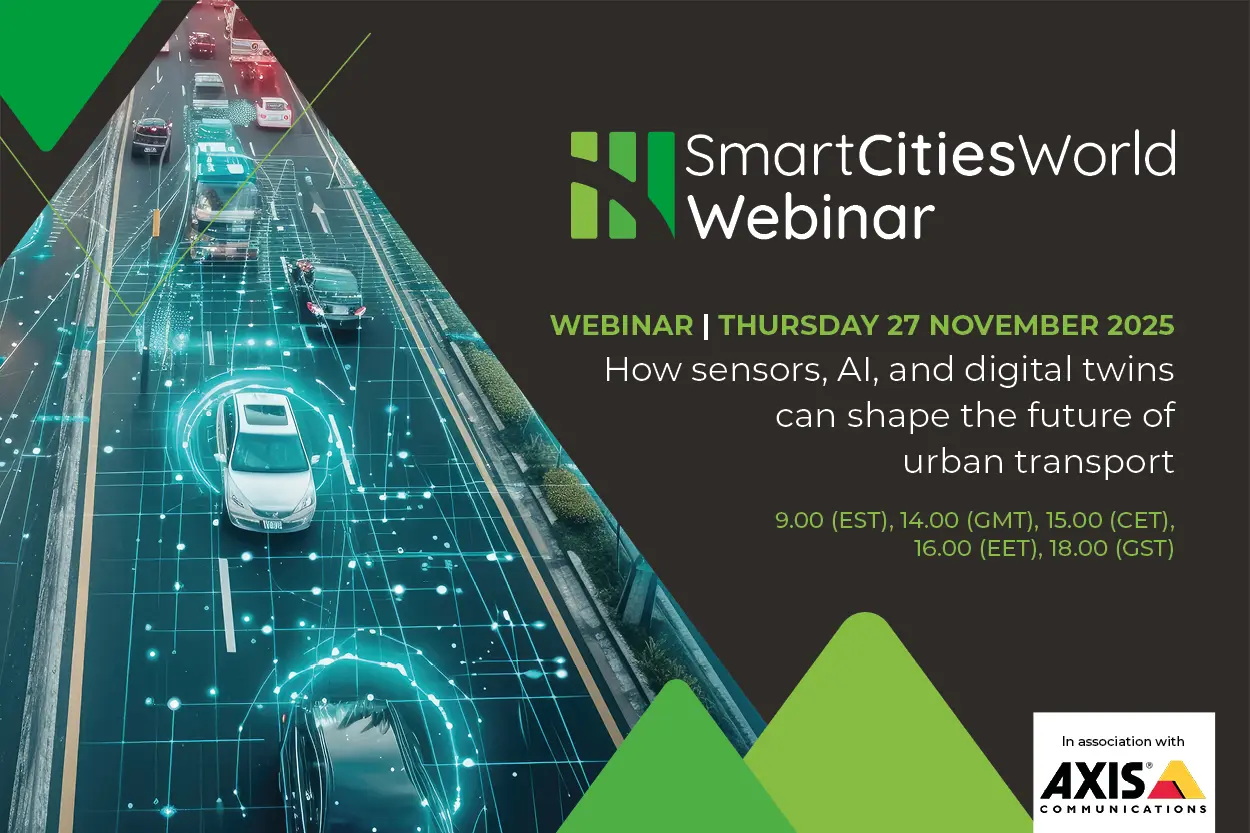
The integration of sensors, artificial intelligence (AI), and digital twin technology is fundamentally reshaping urban transport systems worldwide. As cities grapple with increasing congestion, pollution, and the need for sustainable mobility, these innovations offer a pathway to more efficient, resilient, and people-centered infrastructure. From real-time traffic management to long-term urban planning, the convergence of digital and physical systems is creating unprecedented opportunities for improving the quality of life in urban environments.
The Role of Digital Twins in Urban Mobility
A digital twin is a virtual replica of a physical system, continuously updated with real-time data from sensors and IoT devices. In the context of urban transport, digital twins model everything from traffic flows and public transit schedules to pedestrian movement and infrastructure wear. This dynamic simulation allows city planners and operators to test scenarios, predict outcomes, and optimize resource allocation without disrupting actual operations. For example, a city could simulate the impact of closing a major bridge for repairs on adjacent streets and alternative transit modes, enabling proactive management of disruptions.
The use of digital twins in transport is not new, but recent advances in AI and edge computing have dramatically enhanced their capabilities. Machine learning algorithms can analyze historical and real-time data to identify patterns, predict future conditions, and even recommend optimal interventions. This shift from reactive to predictive operations marks a significant leap for urban mobility management.
AI-Powered Analytics for Smart Transport Networks
One of the most immediate applications of AI in urban transport is in traffic signal optimization. Adaptive traffic control systems use sensors and cameras to constantly monitor vehicle and pedestrian flows, adjusting signal timings in real time to minimize congestion. Cities like Los Angeles and Barcelona have reported travel time reductions of 10-20% after deploying such systems. Beyond traffic lights, AI algorithms are being used to predict public transit demand, schedule maintenance for buses and trains, and even optimize freight routing in urban logistics.
Another critical area is safety. AI-driven video analytics can detect near-miss incidents, jaywalking, or erratic driving behavior, alerting authorities to high-risk locations before accidents occur. This proactive approach is particularly valuable in developing countries where traffic fatalities remain a major public health issue. By integrating data from multiple sources—weather stations, emergency services, social media—AI systems can also improve incident response and disaster management.
Interoperability and Human Oversight: Keys to Success
As cities rush to adopt these technologies, experts warn that fragmented systems and vendor lock-in could undermine long-term benefits. ITU’s Cristina Bueti emphasizes that interoperability—the ability of different systems and devices to communicate and share data—is a prerequisite for sustainable smart city development. Without common standards, cities risk creating silos that hinder data exchange and make it difficult to scale solutions or switch suppliers.
Equally important is human oversight. AI systems in transport must be transparent, accountable, and designed to augment human decision-making, not replace it. For instance, while an AI can recommend rerouting to ease congestion, a human operator should have the final say, especially in emergency situations. Inclusivity also must be considered: underserved communities often lack access to digital technologies, and without deliberate inclusion efforts, AI-driven transport improvements could exacerbate inequalities. Cities should involve diverse stakeholders in design, implementation, and evaluation to ensure that benefits reach everyone.
Case Studies: Sunderland and Dublin Leading the Way
Two European cities exemplify how these principles translate into practice. Sunderland, UK, has repositioned itself as a leading smart city by investing in digital infrastructure and low-carbon innovation. Its transport strategy integrates real-time traffic data, electric vehicle charging networks, and public Wi-Fi to create a seamless digital ecosystem. The city’s digital twin project allows planners to visualize the impact of developments before construction, reducing wasted resources and improving outcomes.
Dublin, Ireland, has also made significant strides. The city launched a digital twin initiative to model transport networks and test interventions, such as traffic-calming measures and cycling infrastructure. Dublin’s focus on reducing car dependency and promoting active travel has led to a reduction in inner-city emissions and an increase in pedestrian zones. The city’s success stems from a combination of political will, public engagement, and strategic use of data analytics.
The Evolving Role of Smart Lighting
One often-overlooked component of smart transport infrastructure is lighting. Streetlight networks have evolved from simple illuminators into intelligent platforms that support a variety of sensors—cameras, air quality monitors, noise detectors, and even electric vehicle chargers. A podcast mini-series from SmartCitiesWorld and Paradox Engineering highlights the journey from LEDs to connectivity to full interoperability. Modern smart lighting systems can adjust brightness based on pedestrian presence, alert authorities to maintenance needs, and serve as nodes for broader IoT networks. This dual-use approach maximizes the return on investment for municipalities while enhancing safety and energy efficiency.
Indoor Safety and Sensor Networks
While outdoor transport networks receive most attention, indoor spaces such as train stations, airports, and shopping malls also benefit from smart sensor networks. Sensors detecting early signs of fire, gas leaks, or structural stress can prevent disasters. AI-powered video analytics can identify overcrowding and trigger crowd-management measures, improving overall safety. These systems are becoming standard in modern infrastructure projects, driven by both regulatory requirements and public demand for secure environments.
Moreover, the same sensor networks that monitor safety can collect data on air quality, energy usage, and foot traffic, enabling facility managers to optimize operations. This convergence of safety and efficiency is particularly relevant in the post-pandemic era, where health considerations are increasingly factored into urban design.
Future Directions: AI, Spatial Intelligence, and the Citiverse
Looking ahead, the concept of the “Citiverse”—a persistent, shared virtual space that integrates digital twins of entire urban areas—is gaining traction. The United Nations Virtual Worlds Day event explores how AI, spatial intelligence, and these immersive environments could be harnessed for people-centered outcomes. Paul Wilson, a key figure in the smart city movement, argues that such platforms can democratize urban planning, allowing citizens to participate in simulations and provide feedback on proposed changes. However, ensuring that these systems are secure, ethical, and accessible remains a major challenge.
Other emerging trends include autonomous vehicles, drones for last-mile delivery, and integrated multi-modal mobility platforms. These technologies rely heavily on continuous data sharing between vehicles, infrastructure, and cloud systems. The success of these systems will depend on robust cybersecurity, data privacy protections, and regulatory frameworks that keep pace with innovation.
Climate Resilience and Financing
Urban transport infrastructure is also under increasing pressure from climate change. Flooding, heatwaves, and storms can disrupt services and damage assets. AI and digital twins can help cities assess vulnerabilities, plan adaptive measures, and prioritize investments. For example, a digital twin could simulate the effect of a 100-year flood on subway systems and suggest reinforcement strategies. This proactive resilience planning is more cost-effective than post-disaster reconstruction.
Securing financing for such projects remains a barrier, especially for smaller cities. As highlighted in an OnDemand COP30 webinar, building city capacity to access climate finance is crucial. Public-private partnerships, green bonds, and international funds are among the instruments being explored. Demonstrating clear returns—both economic and social—is essential to attract investment.
In conclusion, the transformation of urban transport through sensors, AI, and digital twins offers immense potential. Cities that prioritize interoperability, inclusivity, and human oversight will be best positioned to harness these technologies for the benefit of all. While challenges remain, the path forward is clear: data-driven, people-first mobility systems are not just possible—they are already being built. The stories from Sunderland, Dublin, and other pioneers provide a roadmap for cities worldwide to follow.
Source: Smart Cities World News