

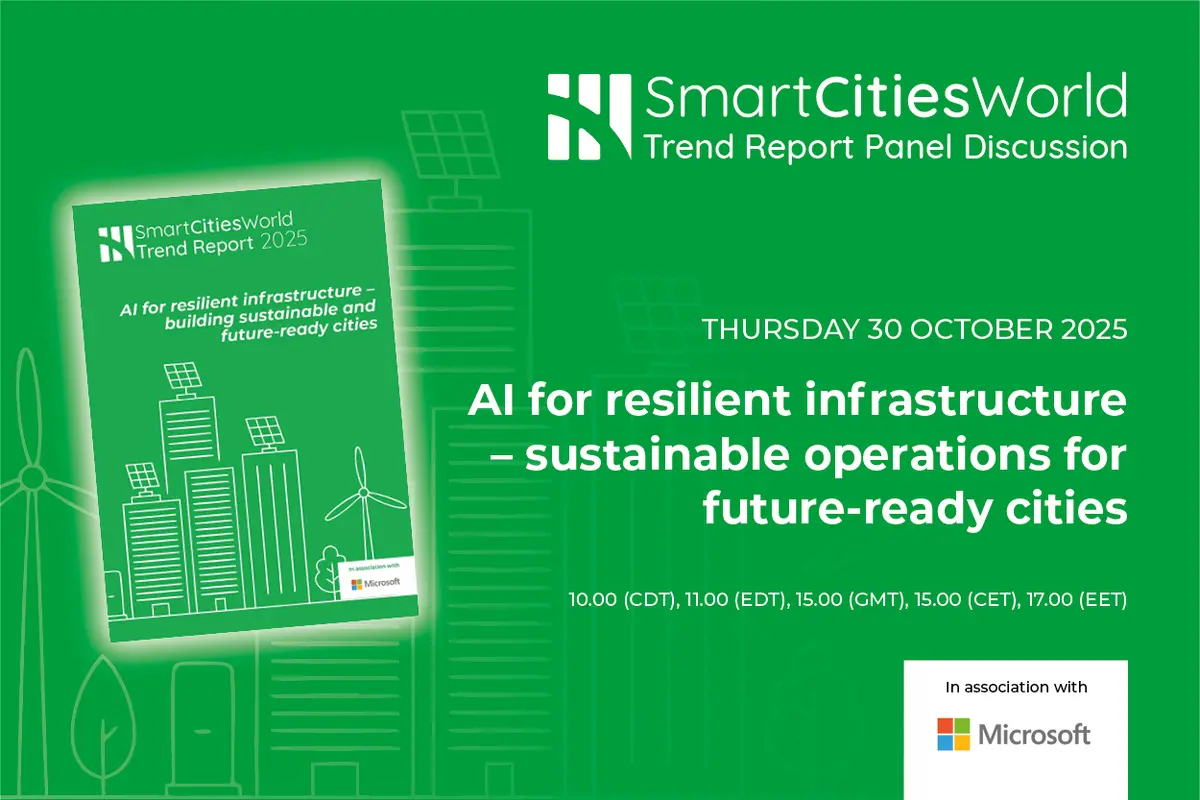
Artificial intelligence is reshaping the landscape of urban infrastructure, offering unprecedented opportunities to build resilient, sustainable, and efficient cities. From digital twins that mirror physical assets to intelligent transport systems that optimize daily commutes, AI is becoming a cornerstone of modern urban planning. As cities worldwide grapple with challenges like climate change, population growth, and aging infrastructure, the integration of AI into core operations is no longer a luxury but a necessity.
The Rise of AI-Powered Digital Twins
Digital twins—virtual replicas of physical systems—are at the forefront of this transformation. By combining real-time data with AI analytics, cities can simulate scenarios, predict failures, and optimize resource allocation. For instance, urban transport networks leverage digital twins to monitor traffic flow, reduce congestion, and enhance passenger safety. These systems not only support day-to-day operations but also inform long-term planning, ensuring that infrastructure investments deliver maximum value to communities.
The application of AI in transport extends beyond simulation. Machine learning algorithms analyze patterns to improve scheduling, route optimization, and maintenance. Data from sensors, GPS devices, and fare collection systems feed into models that predict demand and adjust services dynamically. This proactive approach minimizes disruptions and enhances the overall user experience, making public transit more reliable and attractive.
Prioritizing Interoperability and Inclusivity
As cities adopt AI technologies, experts warn against fragmented systems and vendor lock-in. Cristina Bueti of the International Telecommunication Union (ITU) emphasizes that interoperability, inclusivity, and human oversight must be prioritized now. Without common standards, different AI systems may fail to communicate, leading to inefficiencies and inequities. Inclusive design ensures that the benefits of AI reach all segments of society, including vulnerable populations. Human oversight remains critical to prevent biases and to maintain accountability in automated decisions.
Designing cities for upstream resilience and downstream benefit requires a holistic approach. Heinz von Eckartsberg of Woods Bagot and Pablo Sepulveda of Impact Future argue that urban planning should consider the entire lifecycle of infrastructure—from conception to decommissioning. By embedding resilience at the design stage, cities can avoid costly retrofits later. This foresight also ensures that communities reap long-term economic, social, and environmental rewards.
City Profiles: Sunderland and Dublin Leading the Way
Real-world examples demonstrate how digital infrastructure and low-carbon innovation can build resilient economies. Sunderland, a city in the United Kingdom, is repositioning itself as a leading smart city. Through investments in digital infrastructure and sustainability initiatives, Sunderland aims to attract businesses, create jobs, and improve quality of life. Its smart city strategy includes projects like intelligent street lighting, traffic management, and energy-efficient buildings, all powered by data analytics.
Similarly, Dublin is innovating to enhance community services. The Irish capital has implemented digital twin projects to model urban development and reduce traffic congestion. These models help planners evaluate the impact of new developments and transport policies before they are built. Dublin is also focusing on economic growth by leveraging technology to attract tech companies and foster innovation. The city’s approach highlights the importance of integrated planning and stakeholder collaboration.
Smart Lighting: A Foundation for Future-Proof Infrastructure
Smart lighting is emerging as a foundational element of smart city infrastructure. Traditional streetlight networks can be upgraded with sensors, connectivity, and controls to become secure, interoperable platforms. These systems support not only energy-efficient lighting but also other applications like environmental monitoring, public safety, and traffic management. The evolution from basic LEDs to connected luminaires enables cities to collect valuable data and respond to real-time conditions.
The first episode of the podcast series "Cities Thriving on Lighting" explores this journey, highlighting the importance of interoperability and scalability. As cities deploy smart lighting, they must ensure that systems can integrate with other urban technologies. This requires open standards and flexible architectures that can adapt to future needs. By investing in smart lighting now, cities lay the groundwork for broader digital transformation.
The Role of Sensor Networks and AI in Building Safety
Beyond outdoor infrastructure, smart sensor networks are transforming indoor safety. In buildings, sensors detect risks such as gas leaks, fire hazards, or structural weaknesses early, improving situational awareness. AI analyzes sensor data to predict maintenance needs and optimize energy use, creating healthier, more secure, and sustainable environments. These systems are particularly valuable in commercial buildings, hospitals, and schools where human occupancy is high.
The integration of AI with sensor networks is also critical for data-driven decision-making. Cities can aggregate data from multiple sources—traffic cameras, air quality monitors, utility meters—to gain holistic insights. However, this requires robust data strategies that ensure privacy, security, and ethical use. A webinar on getting your data strategy right underscores the challenges and best practices for smarter sites and safer operations.
The Future of Urban AI: Trust and People-Centered Outcomes
As the United Nations explores the potential of virtual worlds, events like the UN Virtual Worlds Day emphasize the importance of turning AI, spatial intelligence, and the Citiverse ecosystem into trusted, people-centered outcomes. Paul Wilson highlights the need for inclusive dialogue to shape the governance of these technologies. Without broad participation, there is a risk that digital divides widen and that the benefits of AI are not equitably shared.
Another webinar focuses on how sensors, AI, and digital twins can shape the future of urban transport. This topic ties together many threads—from data collection to predictive analytics to system integration. The key takeaway is that technology alone is insufficient; successful implementation requires collaboration among city officials, technology providers, and communities.
Finally, staying informed through editorial newsletters helps professionals keep up with rapid developments in smart cities. Daily or weekly updates provide curated news on city interviews, special reports, and guest opinions. This continuous learning is essential for those involved in building resilient, future-ready cities.
In summary, the path to resilient infrastructure involves a commitment to interoperability, human oversight, and inclusive design. AI-powered digital twins, smart lighting, sensor networks, and data strategies are powerful tools, but they must be deployed with care. Cities like Sunderland and Dublin show that it is possible to harness these technologies for sustainable growth. The journey is ongoing, and the decisions made today will define the urban landscapes of tomorrow.
Source: Smart Cities World News