

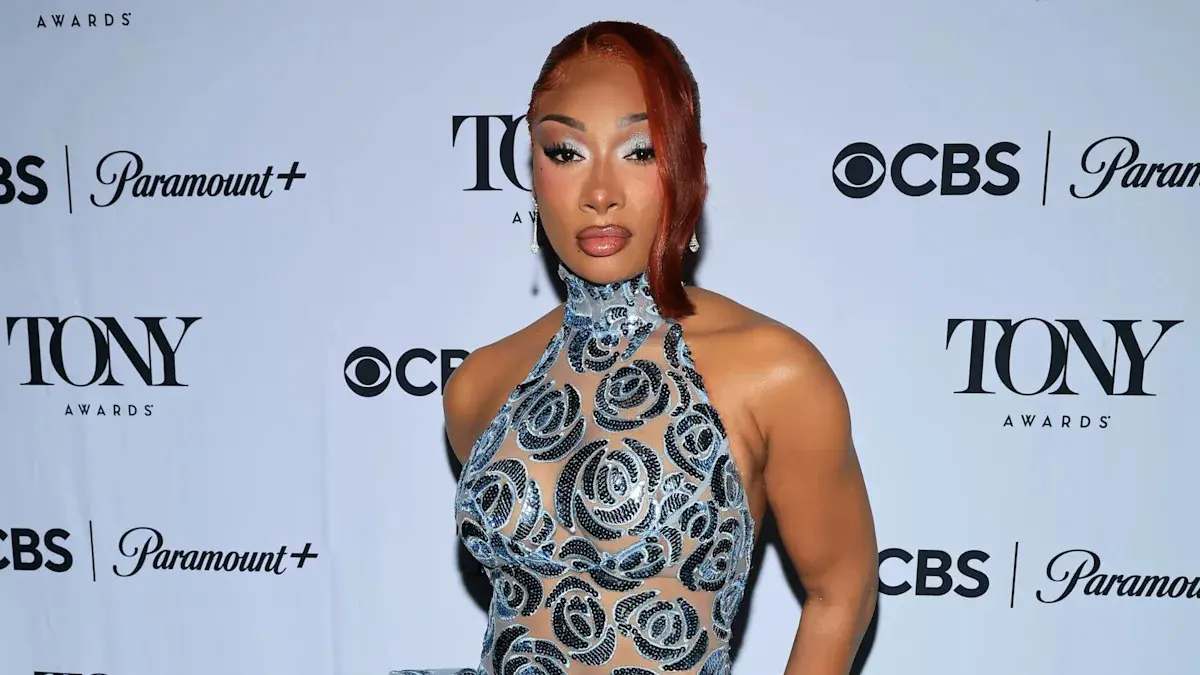
Megan Thee Stallion’s legal team has filed a forceful opposition to blogger Milagro Gramz’s request to pause the $75,000 defamation judgment entered in favor of the rapper. The response, submitted on Tuesday and obtained by multiple outlets, argues that Gramz should not be allowed to delay payment without first posting a full supersedeas bond equal to the judgment amount, plus anticipated interest and costs.
Background of the Defamation Case
The legal battle stems from a highly publicized incident in 2020 when Megan Thee Stallion was shot in the foot by rapper Tory Lanez. In the aftermath, Megan faced a wave of online harassment and false accusations, with some social media figures claiming she had lied about the shooting. Among those was Milagro Gramz, a self-styled media commentator and content creator who, according to court documents, collaborated with Lanez and his father to spread defamatory statements about Megan. Gramz allegedly directed her audience to a deep-fake pornographic video of the rapper and threatened to run her over with a car.
In 2023, a federal jury found Gramz liable for defamation and awarded Megan $75,000 in damages. The verdict was initially overturned by the presiding judge, but on May 29, Chief U.S. District Judge Cecilia M. Altonaga reversed that decision and reinstated the jury’s finding of liability, entering a new amended final judgment. Days later, Gramz filed a motion for a stay pending appeal, asking the court to allow her to delay payment until after her appeal is resolved.
Gramz’s Argument for Financial Hardship
In her June 2 filing, Gramz described herself as a “self-employed media commentator, researcher, and content creator” whose income fluctuates month to month from subscriptions, platform monetization, and audience support. She claimed she lacks substantial liquid assets and cannot afford to pay the judgment or post a full bond. Gramz also noted that she supports a household with two minor children, adding a layer of personal hardship to her legal argument. Her request appealed to the court’s discretion, emphasizing that the appeal would be rendered moot if she is forced to pay before it is heard.
Megan Thee Stallion’s Opposition
Megan’s legal team responded with a blistering rebuttal, questioning Gramz’s sudden plea for leniency. In the filing, Megan’s attorneys wrote: “Sympathy cannot displace the governing legal standard. Defendant’s Motion should be denied in its entirety, and if any stay is to issue, it should be conditioned upon a full supersedeas bond in the amount of the judgment plus anticipated interest and costs.” The document further characterized Gramz as “the same Defendant who showed no hesitation when she broadcast that Plaintiff was a liar, directed her audience to a deep-fake pornographic video of Plaintiff, and threatened to run Plaintiff over with a car, now pleads for the Court’s solicitude so that she may avoid the consequences of a jury’s verdict and this Court’s judgment.”
The opposition highlights Gramz’s deliberate and coordinated campaign to defame Megan, arguing that the blogger willingly engaged in harmful conduct and must now bear the financial consequences. Megan’s attorneys contend that Gramz has not provided sufficient evidence of financial distress to warrant an unsecured stay, and that the proper safeguard for both parties is a supersedeas bond, which would protect Megan’s ability to collect if the appeal fails.
Legal Standards for Stays Pending Appeal
Under federal law, a party seeking a stay pending appeal must generally demonstrate that the appeal raises serious legal questions, that irreparable harm will occur without a stay, and that the balance of equities favors a stay. Additionally, if the judgment is for money damages, courts often require a full supersedeas bond to protect the prevailing party. Exceptions are made only in rare cases of demonstrated financial hardship, where requiring a bond would effectively deny the losing party the right to appeal. Megan’s legal team argues that Gramz has not met this high bar, pointing to the lack of detailed financial documentation and the minimal amount of the judgment relative to the harm caused.
The amount in question—$75,000—is relatively modest by defamation standards, yet it represents a significant sum for an individual blogger. Legal experts note that while courts sometimes waive bond requirements for insolvent parties, they are skeptical when the party claiming hardship has voluntarily engaged in conduct that led to the judgment. “A defendant cannot create a phantom hardship by choosing to spend money elsewhere, then come to court seeking mercy,” one legal analyst commented.
Broader Implications for Social Media and Defamation
The case has drawn attention to the expanding liability of social media commentators and influencers who publish defamatory content. With the rise of platforms like YouTube, TikTok, and X (formerly Twitter), individuals have gained the ability to reach large audiences, but they also face legal risks when they target public figures with false statements. The Megan Thee Stallion case serves as a cautionary tale, demonstrating that even non-traditional media figures can be held accountable for coordinated harassment campaigns. Legal scholars point out that the jury’s finding of coordination with Tory Lanez and his father elevates the case beyond mere careless speech, suggesting a deliberate effort to damage Megan’s reputation.
Megan Thee Stallion, whose real name is Megan Pete, has become one of the most successful female rappers of her generation, with multiple Grammy Awards, chart-topping singles, and a dedicated fan base. The defamation saga has been a public ordeal for her, adding to the trauma of the shooting and the subsequent trial of Tory Lanez, who was convicted in 2023 of assault with a firearm. Lanez is currently serving a 10-year prison sentence in California. The ongoing legal battles highlight the intersection of celebrity, violence, and online culture in the modern era.
What Happens Next
Chief Judge Altonaga will now rule on Gramz’s motion for a stay, taking into account the arguments from both sides. If the stay is granted without a bond, Megan would have to wait until the appeal is resolved before collecting the $75,000. If the stay is denied or conditioned on a bond, Gramz may be forced to pay the judgment immediately or risk having her assets seized. The appeal itself could take months or even years, depending on the complexity of the issues raised. Gramz’s attorney has not yet publicly commented on Megan’s opposition, but the blogger has maintained her innocence throughout the proceedings.
The case remains a focal point for discussions about free speech versus defamation, the financial realities of litigation, and the responsibilities of online content creators. As the legal process unfolds, Megan Thee Stallion continues to release music and tour, while Gramz continues to produce content for her followers. The outcome of this motion will likely set a precedent for how courts handle requests to defer payment in high-profile defamation cases involving social media personalities.
Source: Yahoo Entertainment News